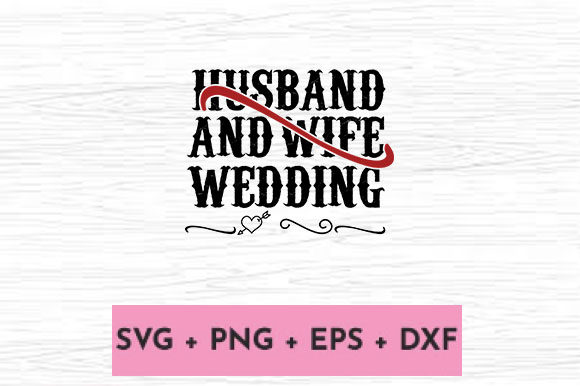
Reviewing HUSBAND and WIFE WEDDING for Real Stitching
As an embroidery designer who has spent years digitizing files and troubleshooting machine errors, I approach every new machine embroidery design with a mix of curiosity and skepticism. We have all seen those cute graphics online that look perfect on a screen but turn into a tangled mess of thread breaks and puckering once they hit the fabric. Recently, I evaluated the HUSBAND and WIFE WEDDING design to see if it holds up under the needle for real-world projects. This is not just about whether it looks pretty; it is about whether it works for your craft business and satisfies your customers.
First Impressions and Visual Personality
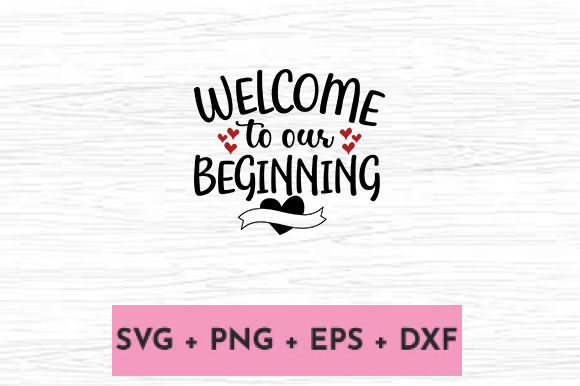
The first thing that strikes you about HUSBAND and WIFE WEDDING is its clean, romantic aesthetic. It carries a mood that is celebratory yet timeless, making it highly versatile for various occasions beyond just the wedding day itself. The layout appears balanced, which is crucial for embroidery. When we talk about Graphics in the digital space, we often forget that threads have physical volume. A design that looks thin on a monitor might disappear on textured fabric, while one that looks bold might become too dense and stiff when stitched out.
This particular design seems to lean into a style that favors clarity. For an embroidery project intended for gifts or retail, visual readability is key. If the lettering or graphical elements are too intricate, they lose their impact from a distance. My initial assessment suggests that this design has enough negative space to allow the stitches to breathe, which is a good sign for both satin stitch areas and any potential fill stitch sections.
Real-World Application: The Custom Tote Bag Test
To truly understand how HUSBAND and WIFE WEDDING performs, I imagined a specific scenario: creating a set of matching tote bags for a bridal party. Tote bags are a staple for any Etsy seller or small shop product line because they are practical and highly visible. Using a canvas or heavy cotton blend, the design needs to stand out without compromising the bag's usability.
In this context, the design shines as a tote bag design centerpiece. Because the theme is universal love and partnership, it appeals not only to newlyweds but also to couples celebrating anniversaries. When stitching on canvas, you must consider stitch density. If the design is too dense, it can cause the fabric to pucker around the hoop marks. However, if it utilizes running stitch outlines effectively, it can lay flat and look professional. I would recommend testing this on a scrap piece of your exact bag material first. Check how the thread colors contrast against the natural beige or white of the canvas. A classic white or cream thread on a natural canvas creates a subtle, high-end boutique look, while vibrant reds or golds make it pop for a more festive vibe.
Versatility Across Products and Fabrics
Beyond tote bags, this design has strong potential for custom apparel. Imagine it embroidered on the chest of a matching sweatshirt set. Sweatshirt embroidery requires careful attention to stabilizer choice because fleece and French terry are stretchy and thick. You want the design to sit on top of the fabric, not sink into it. For this application, a cut-away stabilizer is usually non-negotiable to prevent distortion after washing.
It also works well for smaller items like embroidered patch creations. If you plan to sell these as add-ons, ensure the design scales down well. Tiny details can get lost if the hoop size is reduced too much. Always check the minimum recommended size provided with the digital embroidery file. If you are creating a personalized gift such as a baby onesie or a nursery decor pillow, verify that the design does not have sharp points or overly dense areas that could irritate sensitive skin or feel uncomfortable against the cheek.
For those in the Crafts sector looking to expand their inventory, this design fits seamlessly into holiday collections. Think of Valentine’s Day gifts, anniversary presents, or even wedding shower favors. Its adaptability makes it a valuable asset for maintaining brand consistency across different product lines.
Technical Considerations and Pitfalls
While HUSBAND and WEDDING WEDDING is visually appealing, there are technical aspects you must manage. One common issue with text-based or quote-style designs is the handling of small serifs or thin lines. If this design includes fine lettering, it may require a satin stitch width adjustment to ensure coverage without excessive bulk. On dark fabrics, you might need an underlay stitch to prevent the background color from showing through the top stitches.
Another critical factor is the hoop size. Ensure your machine can accommodate the dimensions of the design. If you are working with curved surfaces like caps or hats, you must use a cap frame and possibly adjust the pull compensation settings in your digitizing software if you have access to the source file. Since this product comes as vector SVG and PNG files, note that these are primarily for print or cutting machines. For actual machine embroidery, you will need a dedicated embroidery file format compatible with your machine, such as PES, DST, or JEF. Always confirm the file formats included before purchasing if you intend to stitch it directly.
Enhancing Product Value and Customer Trust
From a business perspective, the quality of your embroidery directly impacts customer trust. A clean, well-stitched HUSBAND and WIFE WEDDING design signals professionalism. It tells the buyer that you care about the details. When you list this as a handmade product, use high-quality photos that show the texture of the stitches. Close-up shots of the thread work can significantly boost conversion rates for commercial embroidery items.
Consider using printable mockup tools to preview how the design looks on different products before you commit to stitching. This saves time and materials. Also, think about the licensing. If you are buying this as a graphic asset to convert into an embroidery file yourself, ensure you have the commercial rights to do so. If you are buying a pre-digitized file, check the license terms regarding mass production versus small batch sales.
Final Designer Notes
Before launching this design into your shop, follow these practical steps:
- Test on scrap fabric: Always stitch a sample on the same type of fabric you plan to use for the final product.
- Check thread contrast: View your design in black and white to ensure the shapes are distinct and readable without color reliance.
- Inspect stabilizer needs: Match your stabilizer to the fabric weight and stretch. Tear-away for stable wovens, cut-away for knits.
- Verify file compatibility: Ensure you have the correct embroidery file format for your specific machine model.
- Review stitch density: If the design feels stiff after stitching, consider reducing the density or changing the stitch type from fill to satin where appropriate.
In conclusion, HUSBAND and WIFE WEDDING offers a charming and versatile option for designers and makers. With proper preparation and attention to technical details, it can elevate your design assets and create beautiful, memorable finished products for your clients. Whether you are creating a unique holiday embroidery piece or a staple item for your everyday catalog, this design has the potential to perform well if handled with care and expertise.