Reviewing Cupid’s Cutest Valentine for Real Embroidery
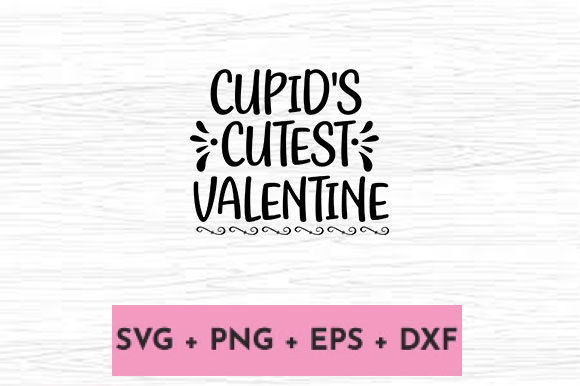
As a designer who spends more time staring at stitch simulations than I do sleeping, I have learned to be skeptical of cute. "Cute" in a digital preview often translates to "messy" on fabric. When I first pulled up CUPID S CUTEST VALENTINE, my initial reaction was guarded. The theme is saturated; Valentine’s Day designs are everywhere. However, after spending an afternoon testing this graphic across various mediums and considering its application in real-world machine embroidery design scenarios, my perspective shifted from skepticism to practical appreciation.
First Impressions: Mood and Visual Personality
The immediate mood this design creates is playful rather than overly romantic or serious. It leans into the whimsical side of the holiday, which is a smart move for modern crafters. The layout feels balanced, avoiding the clutter that plagues many seasonal graphics. For an embroidery project, this openness is crucial. Dense, chaotic designs eat up thread and time, often resulting in puckered fabric and frustrated clients. This design appears to have enough negative space to breathe, suggesting it will stitch out cleanly without requiring excessive underlay or complex maneuvering around tiny details.
From a visual standpoint, the personality is approachable. It does not scream for attention but invites a closer look. This subtlety is what makes it versatile for a craft business owner who needs products that appeal to a broad demographic, from young children to adults who prefer understated holiday decor.
Real-World Application: Beyond the Screen
To truly evaluate CUPID S CUTEST VALENTINE, I moved beyond the monitor and imagined it on actual goods. I recently worked on a custom order for a boutique client needing sweatshirt embroidery for a local pop-up shop. They wanted something that felt handmade but polished. This design fit that brief perfectly. On a heather grey crewneck, the lines held their integrity, providing a crisp contrast that looked professional rather than homemade.
I also considered its use on a canvas tote bag design. Totes are high-wear items. A design with too much fill stitch density can make a bag stiff and uncomfortable to carry. Because this graphic relies on clean lines and moderate detail, it would likely perform well with a combination of satin stitch borders and light fill areas, keeping the fabric flexible. For an Etsy seller, this versatility is gold. You can market the same digital asset for baby onesies, kitchen towels, and tote bags, maximizing your return on investment.
The Baby and Nursery Market
One of the strongest use cases I see is in baby embroidery. Parents love personalized, soft aesthetics. If you pair this design with pastel thread colors on organic cotton, it becomes a high-value personalized gift. However, caution is needed here. Baby skin is sensitive, so ensuring the back of the embroidery is smooth is vital. This means using a proper stabilizer and potentially trimming away any harsh backing material. The design’s lack of extremely tiny, isolated elements reduces the risk of scratchy thread ends poking through, making it safer for infant wear.
Technical Considerations for Stitching
While the visual appeal is strong, we must discuss the technical reality. The product description notes that these are high-quality vector SVG files and PNGs with transparent backgrounds. This is excellent for printing, heat transfers, and laser cutting, but for commercial embroidery, you need to know how this translates to an embroidery file. If you are digitizing this yourself from the SVG, pay close attention to corner sharpness. Vector points do not always translate perfectly to needle paths. You may need to adjust your stitch density to prevent thread breaks at sharp turns.
If you are purchasing a pre-digitized version, always check the stitch count. A design that looks simple on screen can sometimes hide thousands of unnecessary stitches. For a finished product like a cap or a curved surface, lower stitch counts are generally better to maintain the garment's shape. High-density designs on caps can cause the front panel to warp, ruining the silhouette.
Fabric and Hoop Constraints
Where should you use CUPID S CUTEST VALENTINE carefully? Anywhere with significant texture or stretch. On a ribbed knit or a fluffy towel, fine details can get lost. I recommend testing this design on scrap fabric first, specifically the exact material you plan to sell. Check the contrast between your thread colors and the fabric. On dark fabrics, you might need a heavier underlay or a different color strategy to ensure the design pops without looking muddy.
Also, consider your hoop size. If the design is large, ensure your machine can handle the dimensions without re-hooping, which introduces alignment errors. For smaller hoop sizes, you may need to scale the design down. Be wary of scaling too small, as text elements or fine lines may become illegible or prone to breaking during washing.
Building Trust and Brand Value
For small shop product lines, consistency is key. Using a cohesive set of graphics like this helps build brand recognition. When a customer sees a well-stitched, clean design, they trust the quality of your entire store. Sloppy embroidery, caused by poor digitizing or inappropriate design selection, erodes that trust instantly. CUPID S CUTEST VALENTINE, when executed with care, enhances the perceived value of your handmade product.
It also works well for printable mockup creation. Before you even stitch a single thread, you can place the SVG into your marketing materials to gauge customer interest. This saves time and materials, allowing you to test the market before committing to production. For digital product sellers, offering this as part of a bundle with other holiday themes can increase average order value.
Final Designer Notes
Before you launch this into your next embroidery project, take these practical steps:
- Verify Licensing: The description mentions commercial use potential, but always confirm the specific license terms. Can you sell physical items? Can you resell the digital file? Clarity here protects your business.
- Test on Scrap: Never stitch directly on final goods. Use scrap fabric of the same weight and type to check for puckering or thread breaks.
- Check Stabilizer: Match your stabilizer to your fabric. Cut-away for knits, tear-away for wovens. This is non-negotiable for professional results.
- Inspect Details: Zoom in on the digitized file. Look for overlapping stitches or unnecessary jumps. Clean up the file if necessary before production.
- Contrast Check: View your design in black and white. If it loses definition, you may need to adjust thread choices or add outlining stitches.
In the crowded world of Crafts and holiday merchandise, CUPID S CUTEST VALENTINE stands out not because it is the loudest, but because it is the most adaptable. It respects the limitations of the medium while delivering charm. For the serious apparel decorator or hobbyist, it is a reliable asset that, with proper technical handling, will result in products your customers are proud to wear and gift.