Reviewing Happy VALENTINES DAY for Real Embroidery Use
As a designer who has spent countless hours digitizing and stitching out quotes, I approach every new machine embroidery design with a critical eye. It is not enough for a graphic to look good on a screen; it must survive the needle, the thread tension, and the wash cycle. When I first opened the files for Happy VALENTINES DAY, my immediate goal was to determine if this asset could hold up in a professional setting. This is not just about pretty pictures; it is about creating a viable finished product that customers will value.
First Impressions and Visual Personality
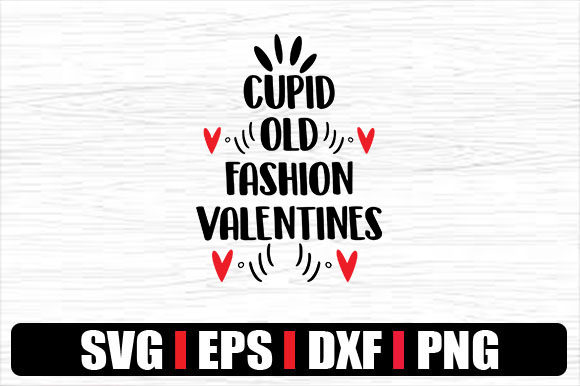
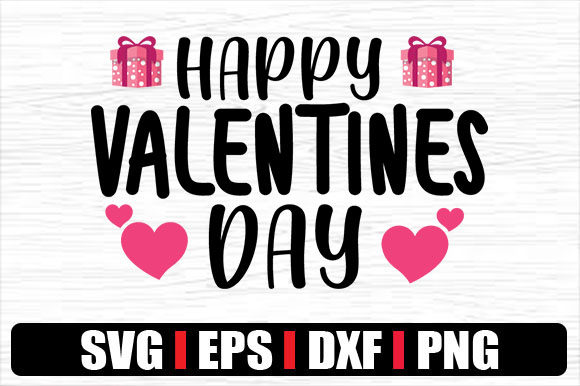
The initial visual impact of Happy VALENTINES DAY is warm and inviting. The typography suggests a loving Valentine’s Day Quote design that balances readability with decorative flair. For an embroidery project, the shape and layout are crucial. If the letters are too thin, they disappear into the fabric texture. If they are too dense, the garment puckers. From what I can see in the preview assets, this design leans toward a style that works well for custom apparel and home decor.
The mood is celebratory yet classic. It does not rely on overly complex shading that might require thousands of stitches, which is a good sign for production efficiency. Instead, it focuses on clear lines and strong character shapes. This makes it a versatile candidate for various design assets in a craft business inventory. Whether you are aiming for a rustic look on linen or a modern vibe on a cotton tee, the foundational structure of this graphic appears adaptable.
Real-World Application Scenarios
To truly test the viability of any embroidery file, I imagine it in specific real-life scenarios. Let us consider a custom embroidered tote bag. Tote bags are popular items for Etsy sellers and small shop products because they offer a large, flat canvas. Placing Happy VALENTINES DAY centrally on a canvas tote creates an instant holiday gift option. The design needs to be large enough to be legible from a distance but balanced so it does not overwhelm the bag’s structure.
Another strong use case is sweatshirt embroidery. A crewneck sweatshirt provides a stable, thick fabric base that handles stitch density well. Here, the design could serve as a chest logo or a larger back print. For a personalized gift, adding a name below the main quote could increase perceived value. However, one must be cautious with scaling. If the design includes fine details, shrinking it for a baby onesie might cause those details to merge into a blob of thread. Always consider the end user. A baby embroidery project requires softer threads and potentially lower density to maintain comfort against sensitive skin.
I also see potential for this design in holiday embroidery collections for kitchen textiles. Imagine this stitched onto a set of tea towels or an apron. These are high-touch items that get washed frequently. The durability of the stitch pattern becomes paramount here. If the design relies heavily on satin stitch borders, it will hold up well. If it uses mostly running stitch for internal details, it may snag over time. Understanding these mechanical aspects is what separates a hobbyist from a professional craft business owner.
Navigating Fabric and Hoop Constraints
Not every surface is created equal. While Happy VALENTINES DAY looks promising, there are areas where caution is required. Curved surfaces, such as caps or hats, present a unique challenge. The distortion caused by the curve can stretch the design horizontally. If the lettering is wide, it might look distorted once stitched. In such cases, using a proper stabilizer is non-negotiable. A cut-away stabilizer is often best for caps to provide lasting support.
Textured fabrics also pose a risk. If you are stitching this onto a fluffy towel or a rough burlap sack, small details may get lost. The fabric texture can swallow thin lines. In these instances, I recommend testing a fill stitch background or increasing the stroke width if you have the ability to edit the vector source before digitizing. Since the product description mentions high-quality vector SVG files, you may have the flexibility to adjust thickness for different materials.
Dark fabrics require special attention to thread colors. A light-colored thread on a black hoodie pops beautifully, but if the design has intricate overlapping elements, shadow effects can become muddy. Always run a test on scrap fabric that matches your final product material. This simple step saves hours of frustration and prevents wasted materials. Check the contrast in black and white mockups to ensure the design remains legible without color reliance.
Commercial Viability and Brand Consistency
For an Etsy seller or boutique owner, consistency is key. Your brand identity is built on the quality of your handmade product. Using a design like Happy VALENTINES DAY can help streamline your holiday collection. It allows you to create multiple SKUs—mugs, t-shirts, bags, cards—from a single core graphic. This efficiency is vital for small business merchandise where time is money.
However, commercial use comes with responsibilities. You must verify the licensing terms. Does the purchase of this digital embroidery file grant you the right to sell physical finished items? Can you use the PNG files with transparent backgrounds for printable mockups on your website? These are critical questions. Never assume. Read the license agreement provided with the download. Protecting your commercial embroidery business from copyright issues is as important as the stitching itself.
Customer trust is built on professionalism. A cleanly stitched design signals quality. If the stitch density is too high, the fabric may pucker, looking cheap and unprofessional. If it is too low, the fabric may show through, looking incomplete. Finding that sweet spot requires experience and testing. When a customer receives a custom apparel item that feels substantial and looks crisp, they are more likely to return and leave positive reviews.
Practical Designer Notes for Success
Before you commit to a full production run of Happy VALENTINES DAY items, take these practical steps. First, confirm the hoop size required. Ensure your machine can accommodate the dimensions without re-hooping, which can lead to alignment errors. Second, inspect the small details. Are there any tiny isolated stitches that might pull out? These are common failure points in digitized quotes.
Third, consider the thread palette. Valentine’s themes often call for reds, pinks, and whites. However, do not be afraid to experiment. A navy blue or gold thread can give the design a sophisticated twist, appealing to a different demographic. Test these variations on your target fabric. Finally, remember that while the SVG and PNG files are great for visual planning and sublimation, the actual embroidery performance depends on the digitized stitch file. Ensure you are using the correct format for your machine, whether it is PES, DST, or another standard.
In conclusion, Happy VALENTINES DAY offers a solid foundation for a variety of Crafts and Graphics projects. Its strength lies in its versatility and clear thematic appeal. By applying careful technical judgment regarding fabric, stabilizer, and stitch density, you can transform this digital asset into a high-value physical product. Whether for a tote bag design, a cozy sweatshirt embroidery piece, or a delicate embroidered patch, this design has the potential to perform well in the hands of a skilled maker. Treat it with the respect it deserves, test thoroughly, and let your craftsmanship shine.