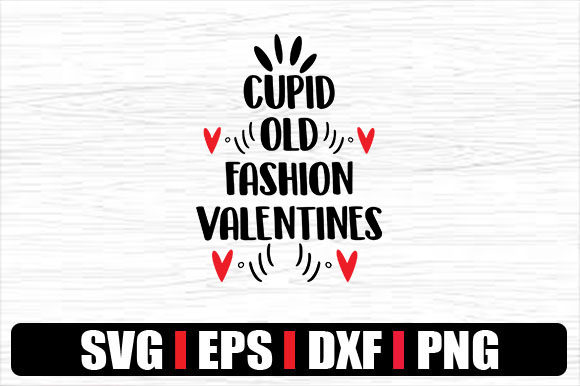
Reviewing CUPID OLD FASHION VALENTINES for Embroidery
As a designer who has spent countless hours digitizing and stitching out various motifs, I approach every new machine embroidery design with a mix of curiosity and skepticism. We have all been there: downloading a file that looks stunning on the screen, only to watch it turn into a tangled mess of thread breaks and puckering on the hoop. When I first encountered CUPID OLD FASHION VALENTINES, my immediate reaction was one of nostalgic appreciation. It captures that specific, warm aesthetic of vintage Valentine’s cards—hearts, cupids, and sentimental script—but the real question is whether it translates effectively from a digital graphic into a tangible, stitched reality.
The First Impression: Mood and Layout
The visual personality of this design leans heavily into retro charm. It is not trying to be modern or minimalist; instead, it embraces the ornate details typical of early 20th-century holiday ephemera. For an embroidery project, this level of detail can be a double-edged sword. The layout suggests a central focal point, likely involving intricate linework or filled shapes that require careful handling. When I visualize this on a finished product, I see it working best where there is enough canvas space to let the details breathe. Crowding this design onto a tiny pocket or a narrow cuff would do it a disservice. It demands presence.
From a practical standpoint, the theme is timeless. While it is categorized under Crafts and Graphics, its application extends far beyond simple hobbyist projects. This is the kind of imagery that sells because it evokes emotion. Whether you are an Etsy seller looking to boost your seasonal listings or a boutique owner curating a limited-edition line, the emotional resonance of "old-fashioned" love quotes is a powerful marketing tool.
Real-World Application: Where It Shines
I recently considered using a similar vintage-style motif for a custom embroidered tote bag order. The client wanted something that felt heirloom-quality, not mass-produced. CUPID OLD FASHION VALENTINES fits this brief perfectly. On a heavy cotton canvas tote, the design would stand out beautifully, especially if paired with classic thread colors like deep reds, soft pinks, and cream. The sturdy fabric provides the necessary stability for detailed stitching, ensuring that the fine lines remain crisp rather than sinking into the weave.
Beyond totes, this design is a strong contender for sweatshirt embroidery. A crewneck sweatshirt offers a large, flat surface area on the chest or back, allowing the design to be scaled up without losing integrity. Imagine this stitched in a monochromatic scheme on a heather grey or oatmeal-colored garment. It creates a subtle, sophisticated look that appeals to customers who want holiday spirit without the loud, neon aesthetics often associated with February 14th merchandise. For small shop products, this versatility is key. You can market the same design asset across multiple product lines, maximizing your return on investment.
Another excellent application is in baby embroidery. Soft onesies or burp cloths featuring gentle, vintage-inspired cupids make for highly giftable items. However, when working with baby items, you must adjust your approach. The fabric is thinner and more delicate, so the stitch density needs to be managed carefully to avoid stiffness or irritation against sensitive skin.
Technical Considerations and Stitching Challenges
While the aesthetic appeal is high, we must address the technical realities of stitching such a design. Vintage styles often incorporate fine lines and small text. If CUPID OLD FASHION VALENTINES includes intricate lettering or tiny decorative elements, these areas are prone to breaking if the needle size is too large or the thread tension is off. I always recommend testing the design on scrap fabric first. This allows you to inspect small details and confirm that the running stitch or satin stitch elements are holding together properly.
Fabric texture plays a crucial role here. On textured fabrics like terry cloth or thick wool, fine details can get lost. In such cases, you might need to simplify the design or increase the scale. Conversely, on thin or stretchy fabrics, the risk of puckering is significant. Using the correct stabilizer is non-negotiable. A cut-away stabilizer might be necessary for garments that will undergo frequent washing, while a tear-away could suffice for decorative items like pillow covers or wall hangings that see less wear and tear.
Curved surfaces present another challenge. If you plan to use this design on caps or hats, be mindful of the hoop size and the curvature of the crown. Detailed corners and dense stitch areas can distort on curved surfaces. It is often better to place such intricate designs on the front panel of a cap where the fabric is supported by buckram, rather than on the side or back where the material is more flexible.
Commercial Viability and Brand Consistency
For commercial embroidery projects, consistency is everything. Customers trust brands that deliver high-quality, professional-looking items. A poorly stitched design can damage your reputation faster than you can rebuild it. Before listing CUPID OLD FASHION VALENTINES as part of your craft business offerings, ensure that the final product meets your quality standards. Check thread color contrast to ensure readability and visual impact. Test it in black and white mockups to see how the design holds up without the aid of color differentiation.
It is also vital to confirm licensing before selling finished items or digital products. The product description mentions high-quality vector SVG files and PNGs with transparent backgrounds, which are great for printable mockups and digital design assets. However, embroidery machines require specific file formats like PES, DST, or JEF. If these embroidery-specific files are not explicitly provided, you may need to digitize the SVG yourself or verify compatibility with your machine. Never assume a vector file is ready for embroidery without proper conversion and testing.
Final Verdict for Makers and Designers
In conclusion, CUPID OLD FASHION VALENTINES is a design with strong potential for those who understand its technical requirements. It is not a "set it and forget it" file for beginners working on difficult fabrics. But for experienced designers and makers who take the time to test, adjust, and refine, it offers a charming, marketable aesthetic. Whether you are creating personalized gifts, holiday embroidery for your home, or inventory for your online store, this design can elevate your work if treated with respect and precision. Always prioritize the quality of the stitch over the speed of production, and your customers will notice the difference.