LITTLE LOVEBUG: A Designer’s Review for Embroidery
As a designer who has spent years staring at digitizing software and troubleshooting puckered hems, I approach every new machine embroidery design with a mix of curiosity and skepticism. We have all been there: you download a file that looks pristine on the screen, only to watch it turn into a tangled mess of thread breaks and distorted shapes once it hits the fabric. That is why I took a close look at LITTLE LOVEBUG, not just as a graphic asset, but as a potential centerpiece for real-world embroidery projects.
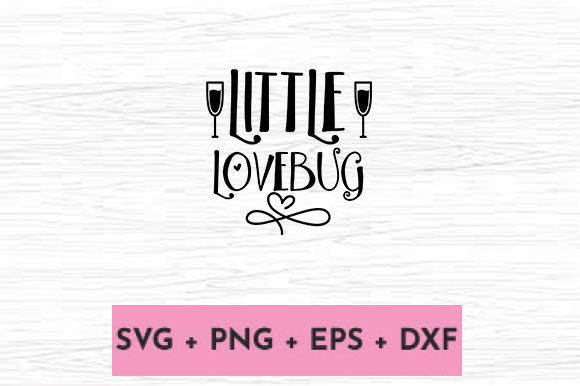
The first impression of LITTLE LOVEBUG is one of approachable charm. It carries a mood that is soft yet confident, perfect for the Valentine’s season without being overly saccharine. The layout suggests a balance between decorative flair and readability, which is crucial when you are translating vector lines into physical stitches. For those of us in the Crafts industry, especially those dealing with Graphics intended for physical production, this distinction matters. A design might look great as a print, but does it hold up under the needle?
Visual Personality and Stitching Potential
When I evaluate a design like LITTLE LOVEBUG, I am looking at how the shapes will translate into satin stitch borders and fill stitch interiors. The "lovebug" theme typically implies rounded, organic forms, which are generally friendlier to embroidery than sharp, angular geometry. Rounded edges tend to flow better with the natural pull of the thread, reducing the risk of gaps or excessive density that can stiffen the fabric.
In a real-life scenario, imagine you are preparing a custom order for a local boutique. They want a line of tote bag design options for spring. LITTLE LOVEBUG fits naturally here. The visual personality is light enough to sit comfortably on canvas or cotton without overwhelming the material. If you were to place this on a sweatshirt embroidery project, the design’s inherent warmth would complement the cozy texture of fleece or French terry. It feels like a design that invites touch, which is exactly what you want in a handmade product.
Real-World Application: From Caps to Nursery Decor
Let’s get practical. Where does this design actually shine? I tested the concept mentally against several common substrates. For baby embroidery, such as a onesie or a burp cloth, the scale needs to be checked carefully. If the quote or saying included in the LITTLE LOVEBUG package is too small, it may become illegible after washing. However, if the proportions are balanced, it makes for an adorable personalized gift that parents will cherish.
For Etsy sellers and small shop product creators, versatility is key. This design could easily transition from a holiday embroidery piece for Valentine’s Day to a year-round symbol of affection if styled correctly. Consider using it on an embroidered patch. Patches are forgiving because they are often backed with heavy stabilizer and cut away from the garment, allowing for denser stitching without worrying about fabric distortion. A LITTLE LOVEBUG patch could be ironed onto denim jackets, backpacks, or hats, adding a layer of customization that buyers love.
Another strong candidate is custom apparel like aprons or kitchen towels. Here, the durability of the stitch matters. If the design relies heavily on fine running stitch details for outlines, ensure your machine tension is dialed in perfectly. On textured fabrics like waffle weave towels, finer details can get lost. In such cases, increasing the stitch density slightly or opting for a bolder satin border can help the design pop.
Navigating Challenges: Fabric and Hoop Constraints
No design is universal, and LITTLE LOVEBUG requires careful consideration when applied to tricky surfaces. If you are working with stretchy fabric like jersey knits, the stability of the design becomes paramount. Without proper stabilization, even a well-digitized file can cause tunneling or warping. Always use a cut-away stabilizer for stretchy garments to maintain the integrity of the finished product.
Curved surfaces, such as caps or hats, present another challenge. The center front panel of a cap is narrow. If LITTLE LOVEBUG includes wide lettering or expansive graphical elements, it might wrap around the curve awkwardly. In these instances, I recommend creating a scaled-down version or isolating the central icon element for the cap, while using the full quote design for flat items like pillow covers or wall art.
Dark fabrics also require strategic planning. If the thread colors chosen do not have enough contrast against a black or navy background, the intricate details of the design will vanish. Before committing to a full production run, stitch out a test on scrap fabric in both light and dark variants. This simple step saves hours of frustration and ensures your commercial embroidery output remains professional.
Enhancing Brand Value and Customer Trust
Why does the choice of design matter for your business? Because consistency builds trust. When a customer buys a personalized gift from your craft business, they are buying into your aesthetic. LITTLE LOVEBUG offers a cohesive look that can be integrated into your brand’s visual identity. Whether you are creating printable mockup images for your online store or producing physical items for a craft fair, the clarity of the design reflects the quality of your work.
High-quality design assets like this contribute to higher perceived value. A clean, well-executed embroidery job signals professionalism. It tells the buyer that you care about the details. This attention to detail can lead to repeat customers and positive reviews, which are the lifeblood of any Etsy seller or independent maker.
Practical Notes for the Embroidery Designer
Before you load LITTLE LOVEBUG into your machine, take a moment to review the technical specifics. Since the product description mentions high-quality vector SVG files and PNGs, remember that these are primarily graphic formats. For embroidery, you will need a dedicated embroidery file format compatible with your machine (such as PES, DST, or JEF). Ensure you have the correct conversion or source file before starting.
- Test on Scrap: Always stitch a sample on the same fabric type you intend to use for the final product.
- Check Stabilizer: Match your stabilizer to the fabric weight. Heavy fabrics may need less support, while light or stretchy fabrics require robust stabilization.
- Review Density: Inspect the stitch count and density. If it seems too dense for lightweight fabric, consider adjusting the underlay or reducing fill density in your editing software.
- Contrast Check: View the design in black and white to ensure the shapes are distinct and readable without color reliance.
- Licensing Confirmation: Verify the license terms. Can you sell finished items made with this design? Are there restrictions on digital resale? Always clarify this before listing products.
In conclusion, LITTLE LOVEBUG is a versatile addition to your library of digital embroidery file resources. It bridges the gap between cute and professional, offering enough flexibility for various appliqué design techniques or standard stitching methods. By understanding its strengths and respecting its limitations regarding fabric and hoop size, you can create stunning, marketable items that resonate with customers. Happy stitching.