I Love You a Sloth: A Designer’s Embroidery Review
As someone who has spent countless hours staring at digitizing software and watching needles punch through fabric, I have developed a keen eye for what makes an embroidery design actually work in the real world. It is not just about how a graphic looks on a screen; it is about how it translates into thread, how it holds up after washing, and whether it adds genuine value to a finished product. Recently, I evaluated I Love You a Sloth, a charming Valentine’s Day quote design, to see if it meets the rigorous standards required for professional craft business use.
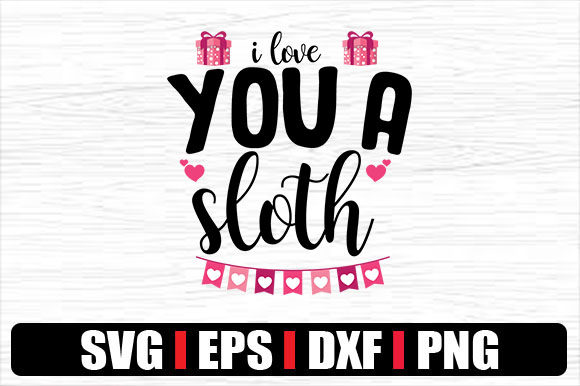
The first impression of this design is one of gentle warmth. The theme combines the slow, endearing nature of a sloth with a classic romantic sentiment, creating a mood that is playful rather than overly saccharine. For embroidery designers and Etsy sellers, this balance is crucial. Overly cute designs can sometimes feel juvenile, while strictly romantic ones can feel generic. This design sits comfortably in the middle, appealing to a broad audience ranging from couples looking for unique holiday gifts to parents wanting sweet nursery decor.
Visual Personality and Stitching Potential
When assessing any machine embroidery design, I look immediately at the layout and detail level. I Love You a Sloth features a clear, readable typography style paired with illustrative elements. In terms of stitching, this suggests a mix of techniques. The text likely benefits from a clean satin stitch or a tight fill stitch depending on the size, ensuring legibility even from a distance. The sloth illustration itself would require careful handling of curves to avoid jagged edges, a common pitfall in lower-quality embroidery files.
The visual personality here is relaxed. It does not demand attention with aggressive colors or complex shading. Instead, it relies on charm. This makes it an excellent candidate for custom apparel where subtlety is preferred. Imagine this stitched onto a heather grey sweatshirt embroidery project. The soft texture of the fleece complements the slow-moving subject matter, creating a cohesive tactile and visual experience. For crafts enthusiasts, this kind of thematic consistency is what turns a simple item into a desirable handmade product.
Real-World Application Scenarios
To truly test the viability of a design, I mentally place it on various substrates. Here is how I Love You a Sloth performs across different project types:
- Tote Bag Design: Canvas provides a stable base for medium-density stitching. This design would stand out beautifully on a natural cotton tote, making it a perfect personalized gift for book lovers or eco-conscious shoppers.
- Baby Embroidery: On a soft muslin blanket or onesie, the gentle theme fits perfectly. However, one must be cautious with stitch density on delicate baby skin. Ensuring the backing is soft and the stitches are not too raised is critical for comfort.
- Embroidered Patch: This design translates well to patches. The contained shape allows for clean cutting, and the bold lines ensure the image remains recognizable even at smaller scales. It is ideal for adding a quirky touch to denim jackets or backpacks.
- Holiday Embroidery: While themed for Valentine’s Day, the "slow love" concept has year-round appeal. It works for anniversaries or just-because gifts, extending its commercial lifespan beyond February.
For small shop product creators, versatility is key. A design that only works for one specific holiday limits inventory turnover. I Love You a Sloth offers enough flexibility to be marketed as a general expression of affection, which is a significant advantage for Etsy sellers looking to maximize their return on investment for each digital embroidery file they purchase.
Technical Considerations and Fabric Constraints
No design is universal, and practical judgment requires knowing where to exercise caution. When working with I Love You a Sloth, consider the following technical constraints:
- Fabric Texture: On highly textured fabrics like terry cloth or thick wool, fine details may get lost. Ensure the contrast between the thread colors and the fabric is high enough to maintain clarity.
- Stretchy Fabric: If applying this to a t-shirt or knit cap, proper stabilization is non-negotiable. Without a cut-away stabilizer, the design may pucker or distort over time, ruining the professional look of the finished product.
- Small Hoop Sizes: If you plan to scale this down for a pocket logo or a small accessory, check the legibility of the text. Tiny lettering can become a blob of thread if the digitizing does not account for minimum stitch lengths.
- Dark Fabric: Always test on dark backgrounds. If the design relies on light threads, ensure there is no underlying show-through. Sometimes, a slight underlay adjustment is needed to make the colors pop against black or navy materials.
These are not flaws in the design itself but realities of the medium. A responsible embroidery project manager anticipates these issues before hitting the start button on the machine.
Commercial Value and Brand Consistency
From a business perspective, I Love You a Sloth contributes positively to brand perception. It signals that the creator understands current trends—specifically the popularity of animal-themed, whimsical humor. For commercial embroidery clients, such as boutique clothing brands, this design adds a layer of personality that generic text cannot match.
Customer trust is built on consistency and quality. If this design is stitched cleanly, with trimmed jump stitches and proper tension, it enhances the perceived value of the item. Buyers are willing to pay more for items that look professionally executed. Furthermore, using high-quality design assets like this helps maintain a cohesive aesthetic across a product line, whether you are selling printable mockup previews online or physical goods at craft fairs.
Practical Designer Notes
Before integrating I Love You a Sloth into your production workflow, I recommend the following steps:
- Test on Scrap Fabric: Never run a new design directly on customer merchandise. Use a similar weight and type of fabric to check for puckering or thread breaks.
- Check Thread Color Contrast: Experiment with different palettes. A monochromatic look can be sophisticated, while vibrant colors can emphasize the playful nature of the sloth.
- Review Stitch Density: If the file allows for editing, check the density settings. Too dense, and the fabric will stiffen; too sparse, and the background fabric will show through.
- Confirm Licensing: Since this is a digital embroidery file intended for potential commercial use, always verify the license terms. Ensure you are allowed to sell finished items made with this design, especially if you are an Etsy seller or run a craft business.
- Inspect Small Details: Zoom in on the digital preview. Look for any stray nodes or overlapping shapes that might cause the machine to pause or create unnecessary bulk.
In conclusion, I Love You a Sloth is a solid addition to any designer’s library of Graphics and embroidery patterns. It balances aesthetic appeal with practical applicability, offering a versatile option for a wide range of handmade product categories. By respecting the technical limitations of the medium and applying thoughtful production practices, this design can become a standout item in your portfolio, delighting customers with its charm and craftsmanship.