FOLLOW YOUR ARROW: A Designer’s Embroidery Review
As an embroidery designer who has spent countless hours digitizing, stitching, and troubleshooting designs for clients, I have learned that not every graphic translates well to thread. When I first encountered the FOLLOW YOUR ARROW design, my initial reaction was one of cautious optimism. The phrase itself carries a whimsical, encouraging weight, often associated with Valentine’s Day themes or general life affirmation. However, moving from a digital concept to a tangible finished product requires a critical eye. I needed to know if this asset would hold up under the needle, especially when applied to real-world items like tote bags, sweatshirts, and boutique merchandise.
First Impressions: Mood and Visual Personality
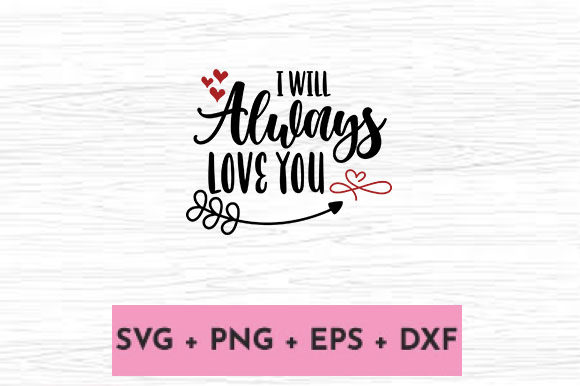
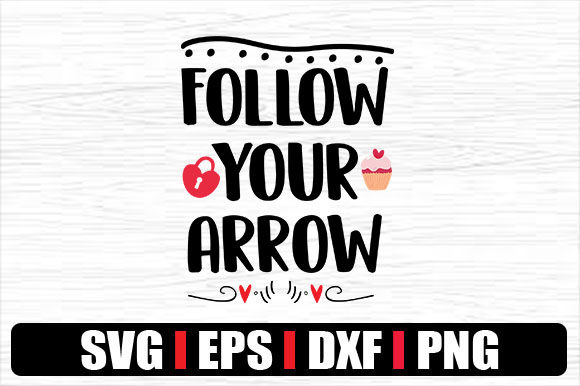
The core appeal of FOLLOW YOUR ARROW lies in its versatility. It is not just a holiday-specific motif; it is a lifestyle statement. The layout typically features playful typography paired with directional elements, creating a sense of movement. For a designer, this dynamic composition is both a blessing and a challenge. The mood is lighthearted and inviting, making it an excellent candidate for personalized gifts and custom apparel.
When evaluating the visual personality, I look at how the lines interact. In many versions of this quote, the arrow element serves as a visual anchor. If the design relies heavily on intricate curves or extremely fine serifs, it may struggle on textured fabrics. However, if the lines are bold and clear, as seen in high-quality vector SVG files, it promises good stitch definition. This design feels right at home in the Crafts category, specifically for makers who want to add a touch of modern whimsy to their small shop product lines.
Real-World Application: From Digital File to Stitched Reality
To truly test the viability of FOLLOW YOUR ARROW, I imagined a specific scenario: a custom order for a local boutique needing a run of canvas tote bags for a spring collection. The client wanted something cheerful but not overly romantic, suitable for everyday use. This design fit the brief perfectly. But the transition from a digital embroidery file to a physical object is where the rubber meets the road.
For tote bag design, durability is key. Canvas is a sturdy fabric, but it has a distinct weave. If the stitch density of the design is too low, the fabric grain might show through the letters, reducing readability. Conversely, if the density is too high, the bag could pucker. In my assessment, this design works best when scaled appropriately. For a standard tote, placing the design centrally allows the arrow motif to guide the eye across the fabric, enhancing the handmade product aesthetic.
Beyond totes, consider sweatshirt embroidery. Here, the fabric is softer and often fleecy. A design with sharp, clean edges is crucial to prevent the stitches from sinking into the pile. FOLLOW YOUR ARROW, with its likely mix of text and graphic elements, requires careful digitizing. If the original file is a vector SVG intended for printing, it must be properly converted or selected as a machine-ready format. Using a proper stabilizer is non-negotiable here to maintain the shape of the arrow and the clarity of the lettering after washing.
Navigating Technical Challenges and Fabric Constraints
While the design is charming, there are areas where caution is necessary. One common pitfall with quote-based designs is small lettering. If the "Follow Your Arrow" text is scaled down for a baby embroidery project, such as a onesie or a small bib, the tiny details might become lost. Thick threads can bridge gaps between letters, turning distinct characters into a blob. I always advise testing the design on scrap fabric first, specifically using the same thread weight and fabric type intended for the final piece.
Another consideration is the surface curvature. Applying this design to a cap or hat introduces complex geometry. The arrow element, if long, might distort over the curved front panel of a baseball cap. In such cases, breaking the design into smaller sections or using an applique design technique could mitigate distortion. For flat surfaces like pillow covers or kitchen towels, the design shines, provided the hoop size is sufficient to capture the full width without excessive re-hooping, which can lead to alignment issues.
Dark fabrics present another hurdle. If you are stitching light thread colors on a navy or black garment, the background fabric can peek through sparse stitching areas. A satin stitch border or a denser fill stitch can help cover the base material, ensuring the design pops. Always check your design in a black-and-white mockup to identify potential contrast issues before you start stitching.
Enhancing Brand Value and Customer Appeal
For Etsy sellers and creative entrepreneurs, the choice of design directly impacts perceived value. FOLLOW YOUR ARROW offers a professional yet approachable look that can elevate a simple item into a desirable gift. When customers see clean, well-executed embroidery, it builds trust in the maker’s skill. This design, when stitched correctly, contributes to brand consistency, especially for shops focusing on inspirational or bohemian styles.
The versatility of the design also aids in marketing. It can be featured in printable mockups for online listings, showing potential buyers how it looks on various items like mugs, cards, or invitations, as suggested by the product description. However, remember that embroidery has a tactile quality that prints do not. Highlighting the texture and dimension of the stitches in your product photos can significantly boost buyer engagement. Whether it is for holiday embroidery gifts or year-round commercial embroidery projects, the emotional resonance of the phrase adds a layer of connection that plain graphics lack.
Practical Notes for the Modern Maker
Before you commit to a large production run or a high-stakes client project, take these practical steps. First, verify the file formats. The product description mentions high-quality vector SVG files and PNGs with transparent backgrounds. While SVGs are excellent for cutting machines and scaling, ensure you have the correct embroidery file format (such as PES, DST, or JEF) compatible with your specific machine. Do not assume a vector file is ready-to-stitch without proper digitizing software.
Second, review the licensing terms. If you plan to sell finished items or use the design in design assets for commercial purposes, confirm that the license allows for commercial use. Many designers offer different tiers of licensing, and respecting intellectual property is crucial for maintaining professionalism in the craft community.
Finally, experiment with thread choices. A monochromatic look can be sophisticated, while contrasting colors can highlight the arrow’s directionality. Test different combinations on your target fabric. Check the tension, inspect the back of the hoop for loose threads, and ensure the stabilizer is trimmed neatly. These small details distinguish a hobbyist effort from a professional crafted item.
In conclusion, FOLLOW YOUR ARROW is a strong contender for your next project. It balances aesthetic appeal with functional versatility, fitting seamlessly into the worlds of Graphics and textile art. By paying attention to fabric texture, stitch density, and proper preparation, you can transform this digital asset into a stunning physical reality that resonates with customers and enhances your portfolio. Happy stitching.