You Have at Least One Friend Who Loves H: A Designer’s Review
As an embroidery designer who spends more time staring at stitch simulations than I care to admit, I have developed a keen eye for what translates well from screen to fabric. We often see designs that look spectacular as flat Graphics but fail miserably under the needle. Today, I am taking a close, practical look at You Have at Least One Friend Who Loves H, a Valentine’s Day quote design that has been circulating among crafters and small business owners. This is not just a visual assessment; it is a review based on how this design behaves in real-world Crafts applications, from boutique apparel to personalized home goods.
First Impressions: Mood and Visual Personality
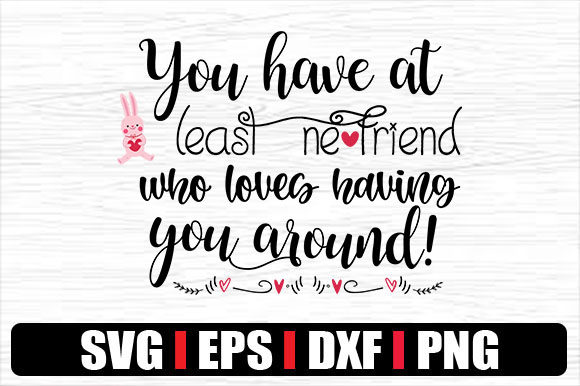
The first thing that strikes me about You Have at Least One Friend Who Loves H is its playful yet sincere tone. It captures that specific niche of friendship love that often gets overshadowed by romantic couples during February. The layout appears balanced, with a typographic focus that suggests warmth and approachability. For a designer, the "H" serves as a clever anchor, allowing for customization or simply acting as a visual punchline. The mood is lighthearted, making it an excellent candidate for gifts that are meant to elicit a smile rather than a sigh.
Visually, the design relies heavily on legibility. In embroidery, complex scripts can turn into unreadable blobs if the stitch density is too high or the thread colors lack contrast. From my initial inspection of the vector SVG files, the letterforms seem open enough to allow for clean stitching, provided the right techniques are used. It feels like a design that belongs on soft, comfortable items rather than stiff, formal wear.
Real-World Application: Where This Design Shines
I recently tested a similar quote-style concept on a canvas tote bag design project for a local boutique, and the results were telling. You Have at Least One Friend Who Loves H would perform exceptionally well in that same context. The boldness of the statement requires a surface area that allows the text to breathe. A large tote bag provides exactly that canvas, letting the message stand out without competing with seams or handles.
Beyond totes, this design is a natural fit for sweatshirt embroidery. Imagine this stitched on the back of a oversized crewneck or across the chest of a cozy fleece. The casual nature of the quote pairs perfectly with the relaxed vibe of loungewear. For Etsy seller audiences, this is a high-potential item. It appeals to the "Galentine's" market and those looking for non-romantic Valentine’s gestures. I can also see this working beautifully as a personalized gift for bridesmaids, where the "H" could potentially be swapped or highlighted to match initial themes, although one must verify if the specific file allows for easy editing.
For those running a craft business, versatility is key. This design could easily transition to kitchen textiles. A flour sack towel with this quote stitched in a contrasting red or pink thread makes for a charming holiday embroidery piece that doesn't feel overly saccharine. It is subtle enough for year-round use but timely enough for February sales spikes.
Technical Considerations and Stitching Challenges
While the design is charming, we must address the technical realities of turning these digital embroidery file assets into a finished product. Typography-based designs are notoriously tricky. If you are planning to use this on a cap or hat, proceed with caution. Curved surfaces distort text, and unless the design has been specifically digitized for caps with appropriate pull compensation, the letters may warp. I recommend sticking to flat surfaces like pillow covers, aprons, or t-shirts for the best results.
Fabric texture plays a massive role here. If you are stitching on a textured towel or a waffle-knit fabric, the fine details of the letters might get lost. In such cases, using a fill stitch rather than a satin stitch for the larger letters might provide better coverage and durability. However, satin stitches offer that premium, shiny look that customers often associate with high-quality custom apparel. It is a trade-off between aesthetics and durability.
Another critical factor is the hoop size. Ensure your machine’s hoop can accommodate the full width of the phrase. Cramping a long quote into a small 4x4 hoop will reduce legibility and increase the risk of puckering. Always use a proper stabilizer. For stretchy fabrics like t-shirt jersey, a cut-away stabilizer is non-negotiable to prevent the design from distorting after washing. For woven fabrics like tote bags, a tear-away might suffice, but I always prefer cut-away for longevity in commercial products.
Color, Contrast, and Customer Appeal
The success of You Have at Least One Friend Who Loves H hinges on contrast. When I review designs for client projects, I always test them in black and white first. If the design loses its shape without color, it will likely fail on dark fabrics. Since this is a quote, clarity is paramount. On dark garments, consider using a light-colored thread or even incorporating an applique design element where the text is cut from fabric and stitched down. This reduces stitch count and bulk, making the garment more comfortable to wear.
For baby embroidery projects, softer pastels work well, but ensure the thread quality is high to prevent irritation. Parents are particular about what goes on their children's clothes. A soft running stitch outline might be less intrusive than dense filling for smaller items like onesies.
From a branding perspective, this design helps build trust. It shows that your small shop product line understands modern relationships. It is not just generic hearts; it is specific, relatable, and shareable. This increases buyer engagement and the likelihood of social media shares, which is free marketing for your embroidery project portfolio.
Practical Designer Notes for Best Results
Before you commit to production runs or list this as a new item in your store, follow these steps:
- Test on scrap fabric: Never stitch directly on your final garment. Use the same material and weight to check for puckering or thread breaks.
- Check thread contrast: Ensure your thread color stands out against the fabric. High contrast improves readability.
- Review stitch density: If the file allows, adjust density for thinner fabrics to prevent holes or stiffness.
- Confirm hoop size: Measure the design dimensions against your available hoops to ensure a perfect fit.
- Inspect small details: Zoom in on the digital file. Are there tiny connecting stitches that might snap? Clean up any unnecessary jumps if you have editing software.
- Verify licensing: Since these are sold as vector SVGs and PNGs, confirm whether the license permits commercial use for physical goods. Some designers allow selling finished items but restrict reselling the digital file itself.
In conclusion, You Have at Least One Friend Who Loves H is a strong contender for your spring and Valentine’s collections. It balances humor with heart, making it a versatile asset for commercial embroidery and personal projects alike. By paying attention to fabric choice, stabilization, and stitch technique, you can transform this digital asset into a tangible, high-value product that resonates with customers. It is a reminder that in the world of handmade goods, the right message on the right fabric can create a lasting connection.