Love Machine: A Designer’s Take on Valentine’s Embroidery
As a designer who spends more time staring at stitch simulations than I care to admit, I have learned that not every cute graphic translates well to thread. When I first pulled up the Love Machine design, my initial reaction was one of cautious optimism. The concept—a playful, loving Valentine’s Day quote—promises high engagement for seasonal crafts, but the execution is what determines whether it ends up in a customer’s cart or in the scrap bin. In the world of Crafts and digital Graphics, there is a distinct difference between an image that looks good on a screen and a machine embroidery design that holds up under the needle.
First Impressions and Visual Personality
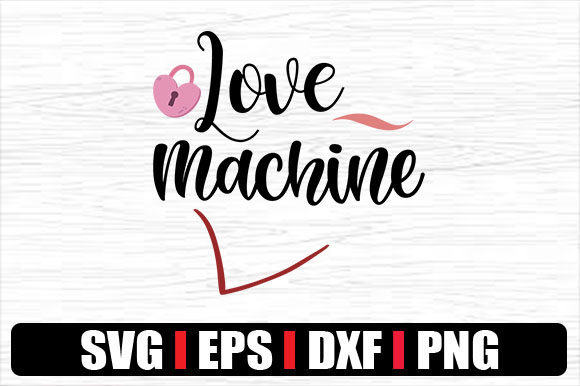
The mood of Love Machine is undeniably cheerful and modern. It avoids the overly saccharine clichés often found in holiday designs, opting instead for a layout that feels contemporary and bold. For an embroidery project, this visual personality is crucial. You want a design that communicates its message instantly, even from a distance. The shape and detail level suggest a balance between solid fill areas and open space, which is vital for maintaining fabric integrity. If a design is too dense, it puckers; if it is too sparse, it lacks impact. This design seems to hit a sweet spot, making it a strong candidate for various applications beyond just standard greeting cards.
Real-World Application: The Tote Bag Test
To truly evaluate a design, you have to imagine it stitched out. I recently considered a similar aesthetic for a custom order of canvas tote bags for a local boutique. Imagine applying Love Machine to a heavy-weight cotton tote. The sturdy fabric provides an excellent foundation for the stitch density required by quote designs. On a textured surface like canvas, the threads need to sit high and proud to remain legible. This design’s structure suggests it would perform well here, offering a tactile quality that enhances the perceived value of the handmade product.
However, the scenario changes when we move to custom apparel. Picture this design on a soft, fleece-lined sweatshirt. Here, the sweatshirt embroidery process requires careful attention to stabilizer choice. A cut-away stabilizer would be non-negotiable to prevent the design from sinking into the plush fabric. The visual appeal of Love Machine on a dark heather gray sweatshirt would rely heavily on thread colors. A high-contrast palette, such as bright red or white against dark fabric, would ensure the loving quote pops, whereas low-contrast choices might get lost in the nap of the material.
Navigating Fabric and Hoop Constraints
While the design is versatile, it is not without its limitations. Experienced embroiderers know that small details can be problematic. If you are working with a smaller hoop size, you must verify that the lettering remains readable. Tiny serifs or intricate connections in the quote may merge together if scaled down too far. This is particularly relevant for baby embroidery projects, such as onesies or bibs, where space is limited and the fabric is often stretchy or delicate. In these cases, testing the design on scrap fabric is not just a suggestion; it is a requirement.
Textured fabrics present another challenge. If you are stitching on a waffle-knit towel or a rough linen, the running stitch elements of the design might not lay flat. The fabric texture can interfere with the clarity of the satin stitch borders. For curved surfaces like caps, the design’s layout must be centered perfectly to avoid distortion during the hooping process. A misaligned quote on a cap looks unprofessional and can lead to customer dissatisfaction. Therefore, understanding how Love Machine behaves on different planes is essential for maintaining brand consistency.
Commercial Viability for Etsy Sellers
For the Etsy seller or small shop owner, the commercial potential of this design is significant. Valentine’s Day is a peak season for personalized gift items. A well-executed embroidered patch featuring this quote could be sold as a standalone accessory or applied to denim jackets. The key to success here is presentation. High-quality printable mockup images are essential for online listings, but they must accurately reflect the finished product. If the digital preview promises a crisp, clean look, the actual stitching must deliver.
Using Love Machine in commercial embroidery projects allows for diverse product lines. Think beyond t-shirts. Consider kitchen towels, pillow covers, or even layered garments like aprons. Each of these items has different washing and wear requirements. A design intended for a frequently washed kitchen towel needs robust fill stitch coverage to withstand abrasion, whereas a decorative accent on a holiday gift box might prioritize aesthetic flair over durability. Understanding these nuances helps you position your small shop product effectively.
Technical Notes for the Serious Crafter
Before committing to a large production run, there are several practical steps to take. First, always check the specific file formats provided. While the description mentions vector SVG and PNG files, embroidery machines typically require specific digitized formats like PES, DST, or JEF. Ensure you have the correct digital embroidery file for your machine. If the provider only offers graphics, you will need to digitize the design yourself or hire a professional, which adds time and cost to your project.
Second, review the license terms. Just because a design is available for purchase does not automatically grant commercial rights. Confirm whether you can sell finished items made with Love Machine or if the license is restricted to personal use. This is critical for avoiding legal issues down the line. Additionally, test the design in black and white mockups to evaluate contrast independent of color. This helps identify any areas where stitch definition might be weak.
Finally, consider the role of stabilizer and thread quality. A premium design deserves premium materials. Using cheap thread can lead to breakage and fraying, ruining the professional look of your finished product. Pairing the right stabilizer with the appropriate fabric weight ensures that the design lays flat and retains its shape after washing. For dark fabrics, consider using a water-soluble topping to keep stitches from sinking into the weave.
Final Verdict on Design Assets
In the crowded market of design assets, Love Machine stands out for its thematic relevance and adaptable layout. It is not just a graphic; it is a tool for creating emotional connections through handmade goods. Whether you are decorating a tote bag design for a friend or producing inventory for a craft business, this design offers a solid foundation. However, its success depends entirely on your technical execution. By respecting the constraints of fabric, hoop size, and stitch density, you can transform this digital file into a tangible item that delights customers. Always prioritize testing and quality control, and let the design do what it does best: spread a little love through the art of embroidery.