Hugs Kisses: A Designer’s Take on Valentine Embroidery
As someone who has spent countless hours hunched over an embroidery hoop, watching needles dance across fabric, I have developed a keen eye for what makes a design work in the real world. It is not just about how a graphic looks on a screen; it is about how it translates into thread, how it sits on texture, and how it holds up after the first wash. Recently, I evaluated HUGS KISSES, a Valentine-themed graphic asset, to determine its viability for actual stitching projects. This review comes from the perspective of a practitioner who cares about stitch integrity, customer satisfaction, and the final aesthetic of a handmade product.
First Impressions and Visual Personality
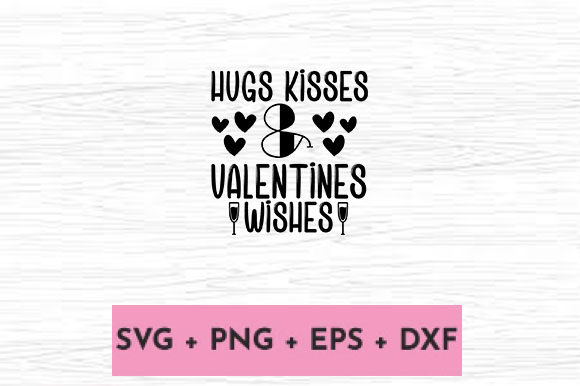
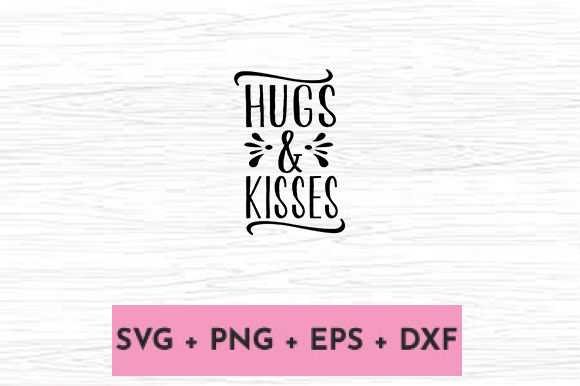
The immediate appeal of HUGS KISSES lies in its emotional clarity. The phrase is universally recognized, evoking warmth and affection without being overly complex. From a design standpoint, the layout suggests a balance between playful typography and symbolic imagery. When I first viewed the vector files, I looked for clean lines and closed shapes, which are critical when converting graphics into an embroidery file. The mood is lighthearted yet sincere, making it versatile enough for both juvenile items like baby onesies and adult apparel such as cozy sweatshirts.
The visual personality here is key. It does not scream for attention with aggressive colors or chaotic layouts. Instead, it offers a gentle invitation. For an Etsy seller or small shop owner, this subtlety is a strength. It allows the craftsmanship of the stitching to take center stage. The design feels native to the Crafts category because it prioritizes sentiment over spectacle, a trait that resonates deeply with buyers looking for personalized gifts.
Real-World Application: The Tote Bag Test
To truly understand the potential of these Graphics, I mentally placed them on a canvas tote bag. This is a common request for boutique branding and holiday gifts. Imagine a natural, unbleached cotton tote. The HUGS KISSES design, when digitized correctly, would sit prominently on the front panel. The contrast between the thread colors and the neutral fabric would define the readability.
In this scenario, the design serves as both decoration and brand statement. For a craft business, offering a limited-edition Valentine tote with this motif creates urgency and emotional connection. The simplicity of the quote means it does not compete with other elements if you choose to add a monogram or a small floral accent nearby. However, the spacing between the words "Hugs" and "Kisses" must be maintained during digitization to ensure the satin stitch or fill stitch does not bridge the gap unintentionally, which could muddy the text.
Apparel and Home Decor Versatility
Beyond bags, this design shines in custom apparel. Picture a soft, heather-gray sweatshirt. Here, the embroidery adds tactile value. A well-executed machine embroidery design on a chest pocket or centered on the torso elevates a basic garment into a cherished item. For baby embroidery, the scale must be reduced. On a tiny onesie, the details need to remain crisp. If the original SVG contains intricate serifs or thin lines, they may need simplification to prevent thread breaks or puckering on stretchy fabric.
In home decor, consider a kitchen towel or a pillow cover. These items undergo frequent washing and handling. The durability of the stitch-out is paramount. A dense fill stitch might feel luxurious on a pillow but could become stiff and uncomfortable on a tea towel. Therefore, understanding the intended use case dictates the digitizing strategy. For a nursery decor piece, pastel thread colors would soften the message, while bold reds and pinks suit adult holiday embroidery projects.
Technical Considerations for Stitching Success
While the source files are high-quality vectors and PNGs with transparent backgrounds, transitioning to a physical embroidered patch or direct-to-garment stitch requires technical vigilance. As a reviewer, I must highlight areas where caution is necessary.
- Fabric Texture: Textured fabrics like terry cloth or heavy wool can swallow small details. Ensure the stroke width of the letters in HUGS KISSES is sufficient to remain visible against the pile of the fabric.
- Stabilizer Choice: For stretchy materials like jersey knits used in t-shirts, a cut-away stabilizer is often non-negotiable to prevent distortion. For woven fabrics like cotton aprons, a tear-away may suffice, but testing is essential.
- Thread Color Contrast: The design relies on legibility. Using low-contrast thread colors, such as light pink on white, may render the text invisible from a distance. Always test your thread palette against your base material.
- Hoop Size Constraints: If you are working with a small hoop, you may need to resize the design. Be wary of reducing it too much, as this increases stitch density per square inch, potentially leading to needle heat and thread breakage.
Enhancing Product Value and Brand Trust
For commercial embroidery projects, the quality of the finished product directly impacts buyer engagement. A cleanly stitched HUGS KISSES motif signals professionalism. It tells the customer that care was taken in every step, from file selection to final press. This builds trust, which is crucial for repeat business in the handmade market.
When creating printable mockups or digital product previews, ensure the representation matches the reality. Over-saturating colors in a mockup can lead to disappointed customers when the physical thread appears more muted. Transparency in presentation helps manage expectations. Furthermore, using this design as part of a cohesive collection—perhaps paired with matching heart motifs or complementary phrases—can increase the perceived value of your small shop product lineup.
Practical Notes for the Embroidery Designer
Before committing to a large production run or listing a new item, follow these practical steps:
- Test on Scrap Fabric: Always stitch out a sample on the exact fabric type you intend to use. This reveals issues with tension, registration, and density.
- Check Licensing: While the product description mentions high-quality vector SVG files suitable for various products, always confirm the specific license terms. Ensure you have the right to use the design for commercial purposes if you are selling finished items.
- Inspect Small Details: Zoom in on the vector file. Look for stray points or overlapping paths that could confuse your digitizing software. Clean files lead to cleaner stitch-outs.
- Evaluate Washability: After stitching, wash the test piece. Check for thread bleeding, shrinkage, or distortion. This step is vital for items like baby clothes and kitchen towels that require frequent laundering.
In conclusion, HUGS KISSES offers a solid foundation for Valentine-themed projects. Its strength lies in its emotional resonance and adaptability across various substrates. However, its success depends entirely on the skill of the designer translating those vectors into thread. By paying attention to fabric choice, stabilizer support, and stitch density, you can transform this graphic into a standout piece of wearable art or home decor. For the dedicated maker, it is not just a file; it is an opportunity to create something tangible and loved.