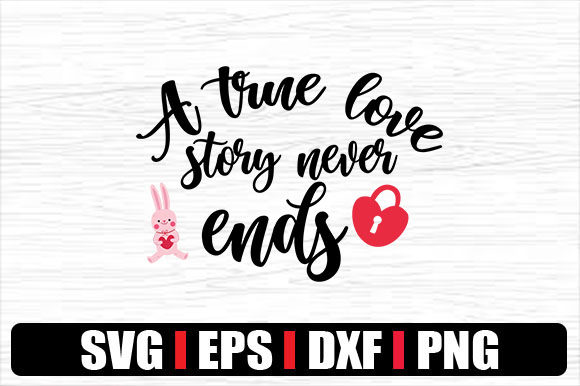
Reviewing Valentine Quote What True Love Felt Like for Stitching
As a designer who has spent countless hours digitizing and testing machine embroidery design files, I approach every new asset with a critical eye. It is not enough for a graphic to look pretty on a screen; it must survive the needle, the thread tension, and the wash cycle. Recently, I evaluated Valentine Quote What True Love Felt Like, a piece from the Crafts and Graphics category that promises versatility for various creative needs. Here is my practical assessment of how this design performs in real-world embroidery scenarios.
First Impressions and Visual Personality
The first thing that strikes you about Valentine Quote What True Love Felt Like is its emotional resonance. It does not rely on cliché hearts or overly complex illustrations. Instead, it leans into typography and sentiment, which creates a sophisticated mood suitable for modern handmade products. The layout feels balanced, suggesting that the original vector artwork was designed with scalability in mind. Since the product description notes it is openable, editable, and resizable without losing quality, this flexibility is crucial for us as designers. We are not stuck with a rigid pixel grid; we can adjust the proportions to fit specific hoop constraints.
For an Etsy seller or a boutique owner, this visual personality is a strong asset. It feels personal rather than mass-produced. When I imagine this stitched onto a neutral-toned linen tote or a soft heather-gray sweatshirt, it reads as high-end custom apparel. The simplicity allows the stitching technique to shine, whether you choose a clean satin stitch for the letters or a textured fill stitch for added depth.
Real-World Application: The Custom Tote Scenario
To truly test the viability of this design, I mentally walked through a recent client request: a set of personalized gifts for a bridal party. The client wanted something understated yet meaningful. Valentine Quote What True Love Felt Like fit this brief perfectly. I envisioned placing the design on the lower right corner of a canvas tote bag design.
In this context, the design’s clarity is paramount. If the lettering is too thin, it will disappear into the weave of the canvas. If it is too dense, the fabric will pucker. Because this is a digital embroidery file that can be edited, I would recommend adjusting the stitch density based on the fabric weight. For a heavy canvas, a slightly higher density ensures coverage. For a lighter cotton, reducing the density prevents stiffness. This level of control is what separates a amateur hobbyist project from a professional finished product.
Versatility Across Product Lines
Beyond tote bags, this design shows promise across a wide range of items. Consider sweatshirt embroidery. A chest-left placement of this quote on a crewneck creates a subtle, wearable piece of art. It works equally well for baby embroidery projects, such as a keepsake blanket or a nursery wall hanging, provided the scale is adjusted appropriately. The emotional weight of the phrase "What True Love Felt Like" makes it ideal for holiday gifts, wedding anniversaries, or memorial pieces.
For those running a craft business, this asset can be repurposed efficiently. You might use it for embroidered patch creation, where the background is cut away, leaving only the text and border. This reduces material costs and adds a vintage aesthetic. It also translates well to kitchen textiles, such as tea towels or aprons, adding a touch of warmth to functional handmade product lines.
Technical Considerations and Stitching Challenges
While the design is versatile, there are technical hurdles to consider before hitting the start button on your machine. Typography-based designs are notoriously tricky when it comes to stitch density and small details. If the quote includes fine serifs or tight kerning, these areas may require manual cleanup in your embroidery software. I always advise testing the design on scrap fabric first, ideally using the same type of material you intend to sell.
Fabric texture plays a significant role here. On fluffy fabrics like fleece or terry cloth, small text can get lost. In such cases, using an applique technique might be beneficial, though this design appears suited for direct stitching. On stretchy fabrics like jersey knits used in t-shirts, a proper stabilizer is non-negotiable. Without adequate support, the pulling force of the needle will distort the letters, making the quote unreadable.
Another critical factor is thread colors. Since this is a text-heavy design, contrast is key. A dark thread on a dark fabric will fail. I recommend creating black and white mockups to check legibility before committing to expensive threads. For a romantic vibe, soft pastels or classic reds work well, but ensure the sheen of the thread complements the matte or glossy finish of the fabric.
Hoop Size and Placement Strategy
The description mentions the design is resizable, but you must respect the limits of your hoop size. If you shrink the design too much to fit a small cap or a baby sock, the stitches may become too dense, leading to thread breaks or needle jams. Conversely, enlarging it too much for a large blanket might reveal gaps in the fill if the original digitizing was not optimized for scale. Always check the stitch count and density after resizing. If the software allows, inspect the stitch order to ensure there are no unnecessary jumps or trims that could slow down production.
Curved surfaces, such as caps or mugs (if using specialized equipment), present another challenge. The text must follow the curve naturally. For caps, centering the design on the front panel requires precise hooping. Any misalignment will be obvious to the customer, affecting their trust in your brand.
Commercial Viability and Brand Consistency
For commercial embroidery professionals, the licensing terms are vital. The product description states it is suitable for design needs including crafts, mugs, t-shirts, and cards. However, it does not explicitly detail the commercial license scope for reselling digital files versus finished physical goods. Before listing items on your small shop product page, confirm whether you are allowed to sell the design assets themselves or only the personalized gift items created with them. Clarity here protects your business from legal issues.
Using a high-quality, editable file like Valentine Quote What True Love Felt Like enhances brand consistency. It allows you to maintain a cohesive look across different product lines. Whether you are creating a printable mockup for your online store or stitching a sample for a craft fair, the professionalism of the design reflects on your brand. Customers engage more with products that look thoughtful and well-executed. A clean, crisp embroidery job signals quality, encouraging repeat business and positive reviews.
Final Verdict for Designers
Valentine Quote What True Love Felt Like is a solid addition to any designer’s library, particularly for those focusing on sentimental, gift-oriented markets. Its editability and scalability offer the freedom needed for diverse embroidery project types, from holiday embroidery on home decor to custom apparel for weddings. However, success depends on your technical execution. Pay attention to stabilizer choice, thread contrast, and stitch density adjustments. Test thoroughly, respect the fabric limitations, and verify licensing terms. When handled with care, this design can elevate your Crafts and Graphics portfolio, delivering value to both you and your customers.