Reviewing the Which Way to the Candy Svg for Embroidery
As a designer who has spent countless hours digitizing files and troubleshooting machine errors, I approach every new Graphics asset with a critical eye. We often see SVGs marketed as universal solutions, but the reality of moving from a digital cut file to a stitched finished product is nuanced. Recently, I evaluated the Which Way to the Candy Svg to determine its viability for real-world Crafts applications. This isn’t just about whether the file opens; it is about how the design behaves under the needle, how it translates to fabric, and whether it adds genuine value to a craft business inventory.
First Impressions and Visual Personality
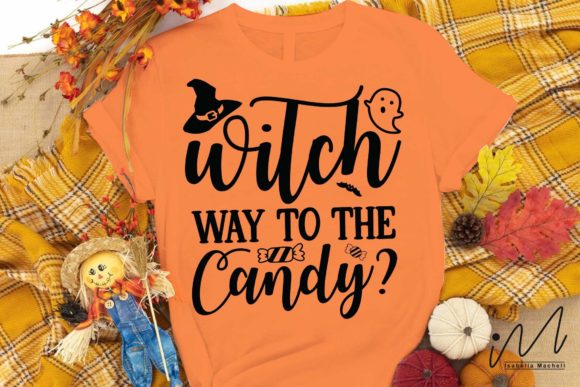
The initial appeal of the Which Way to the Candy Svg lies in its playful, whimsical tone. The quote suggests movement and curiosity, making it an ideal candidate for projects that require a touch of humor or nostalgia. Visually, the layout appears balanced, with a clear hierarchy between the text and any accompanying graphical elements. For an Etsy seller or small shop product creator, this mood is crucial. It fits seamlessly into categories like holiday gifts, boutique branding, or personalized items for children.
However, visual appeal on a screen does not guarantee stitching success. The design’s personality is friendly, but its structural integrity depends on how well the lines convert to stitches. When I look at this file, I am immediately thinking about thread colors. A pastel palette would enhance the sweet, candy-themed vibe, while high-contrast neon threads could make it pop on dark garments. The key is ensuring the design remains legible regardless of the color scheme chosen by the end user.
Real-World Application Scenarios
To truly test a design, you must imagine it on actual products. I envisioned using the Which Way to the Candy Svg for a custom embroidered tote bag. Tote bags are popular handmade products, but their canvas texture can be challenging. If the design includes fine details, they might get lost in the weave. For a sweatshirt, the design offers a great opportunity for sweatshirt embroidery on the chest or sleeve. The playful quote works well here, adding a casual, fun element to everyday wear.
Another strong use case is baby embroidery. Parents love whimsical quotes on onesies or bibs. However, this requires careful scaling. The text must remain large enough to be readable but small enough to fit comfortably on infant clothing. I also considered using it for an embroidered patch. Patches allow for dense stitching and stable backing, which can help preserve the integrity of the design’s curves and corners. For holiday embroidery, such as Halloween or Easter gifts, this design serves as a versatile design assets piece that can be adapted with seasonal thread colors.
Technical Considerations for Stitching
Since the product description specifies that you receive SVG, DXF, and EPS formats, it is important to note that these are vector cut files, not native embroidery formats like PES or DST. This means you will need embroidery software to convert the vectors into a stitch file. This step is critical. During conversion, you must decide between satin stitch, fill stitch, and running stitch types.
For the text portion of the Which Way to the Candy Svg, a satin stitch is often preferred for clarity and shine, provided the letters are not too wide. Wide satin stitches can snag easily. If the design includes solid shapes, a fill stitch with appropriate underlay is necessary to prevent puckering. Stitch density must be adjusted based on the fabric texture. On a thick towel, you might need higher density to cover the loops, whereas on a thin t-shirt, lower density prevents stiffness.
One major concern with any text-based SVG is the size of the lettering. Tiny serifs or intricate connections can cause thread breaks or bird nests if not properly simplified during digitizing. I recommend inspecting the path nodes in your software before converting. Smooth out any jagged edges that might translate into unnecessary needle penetrations.
Navigating Fabric and Hoop Constraints
Not all fabrics treat designs equally. When using this design on stretchy materials like jersey knits, a proper stabilizer is non-negotiable. Without it, the design will distort, and the text may become unreadable. For curved surfaces like caps, the design needs to be arched digitally to compensate for the dome shape. Flat designs on curved hats often look warped after stitching.
Hoop size is another limiting factor. Ensure the scaled design fits within your machine’s maximum hoop area with adequate margin for clamping. If you are creating a tote bag design or a large pillow cover, you might need to split the design or use a larger hoop. Always check the dimensions in your software before loading the file onto the machine.
Enhancing Product Value and Customer Trust
For commercial embroidery and digital product sellers, the quality of the final stitch-out directly impacts customer trust. A clean, professional-looking Which Way to the Candy Svg implementation signals attention to detail. It enhances the perceived value of the personalized gift. Buyers engage more with products that look crisp and well-executed. Using this design in printable mockup previews can help customers visualize the final result, boosting confidence in their purchase.
Consistency in brand presentation is key. If your shop specializes in whimsical, handcrafted items, this design aligns well with that aesthetic. It helps build recognition among repeat customers who appreciate your specific style. However, always ensure that the license allows for commercial use of the finished items. While the file formats suggest flexibility, confirming the terms for selling physical goods made with this design is a prudent step for any creative entrepreneurs.
Practical Designer Notes
Before committing to a full production run, follow these practical steps:
- Test the design on scrap fabric identical to your final material to check for puckering or thread breaks.
- Verify thread color contrast against both light and dark backgrounds to ensure readability.
- Review the stitch count and density settings in your embroidery software after converting from SVG.
- Confirm the hoop size requirements and ensure your machine can handle the dimensions.
- Inspect small details and sharp corners for potential stitching issues.
- Create black and white mockups to evaluate the design’s silhouette and balance without color distraction.
- Use appropriate stabilizer types—cut-away for knits, tear-away for wovens—to support the stitch structure.
- Double-check licensing agreements to confirm rights for selling finished custom apparel or other merchandise.
In conclusion, the Which Way to the Candy Svg offers a charming foundation for various embroidery project types. Its success, however, relies heavily on the skill of the digitizer and the preparatory work of the embroiderer. By treating the SVG as a starting point rather than a final solution, you can create high-quality, appealing products that resonate with customers. Whether for a small business merchandise line or a one-off personalized gift, thoughtful application of this design can yield excellent results.