Review: Teacher to the Cutest Little Pumpkins Design
As an embroidery designer who has spent countless hours digitizing and testing files for real-world application, I approach every new machine embroidery design with a critical eye. It is not enough for a graphic to look cute on a screen; it must hold up under the needle, survive the wash cycle, and resonate with the end customer. Recently, I evaluated the Teacher to the Cutest Little Pumpkins file to determine its viability for upcoming autumn projects. This piece falls squarely into the Crafts and Graphics categories, but its true value lies in how it translates from a digital asset to a tangible, stitched product.
First Impressions and Visual Personality
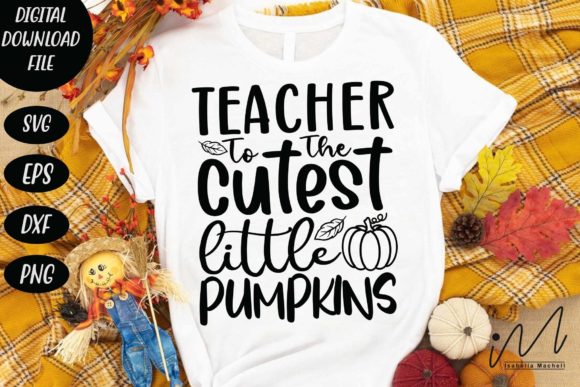
The immediate appeal of Teacher to the Cutest Little Pumpkins is its warmth. The typography suggests a playful yet professional tone, ideal for educators who want to celebrate their students without appearing overly childish. The layout balances text with thematic elements, creating a cohesive unit rather than disjointed parts. When viewing the source files, which include SVG, DXF, and EPS formats, the scalability is evident. This flexibility is crucial for designers who need to adapt the artwork for various mediums, from small patches to large tote bags.
The mood is inviting and seasonal, capturing the essence of fall without relying on clichéd orange-and-black palettes alone. For an embroidery project, this means the design offers room for creative thread color choices. You are not locked into traditional hues, allowing for customization that matches specific school colors or personal brand aesthetics. The visual personality is clean and legible, a vital trait for any design intended to be read from a distance.
Real-World Application: The Custom Tote Bag Scenario
To truly test the design, I imagined a common request from my client base: a set of personalized tote bags for a preschool teaching team. In this scenario, the Teacher to the Cutest Little Pumpkins design serves as the centerpiece. Using a standard 5x7 hoop, the design fits comfortably, leaving ample margin for sturdy stitching. The result is a functional handmade product that teachers can use daily, carrying books and supplies while showcasing pride in their profession.
This application highlights the design’s versatility. It works equally well as sweatshirt embroidery for cooler classroom days or as a decorative element on a canvas apron. For Etsy sellers and small shop product creators, this versatility expands the potential customer base. You are not limited to one type of garment; instead, you can offer a coordinated collection of items. The design’s clarity ensures that even on textured fabrics like canvas or terry cloth, the message remains readable.
Technical Considerations for Stitching
While the graphic source files provide excellent vector data, transitioning to an embroidery file requires careful attention to technical details. Since the provided formats are SVG, DXF, and EPS, you will likely need to digitize the design yourself or convert it using specialized software. This step is critical for controlling stitch density and stitch types. For the lettering, a combination of satin stitch for smaller text and fill stitch for larger elements often yields the best coverage and durability.
When preparing this design for custom apparel, consider the fabric texture. On smooth cotton blends, the stitches will lie flat and crisp. However, on stretchy fabrics like jersey knits used for t-shirts, proper stabilization is non-negotiable. A cut-away stabilizer is recommended to prevent puckering, especially if the design covers a significant area. Additionally, check the hoop size requirements before starting. If you scale the design up for a large tote, ensure your machine can handle the dimensions without compromising stitch quality.
For those creating an applique design, the SVG format allows for easy separation of layers. You could use fabric pumpkins to add texture and reduce stitch count, making the final product softer and more comfortable against the skin. This approach is particularly effective for baby embroidery items, where bulkier stitching might be irritating. Always test the design on scrap fabric first to verify thread tension and color contrast.
Navigating Challenges and Limitations
No design is without its challenges, and Teacher to the Cutest Little Pumpkins requires thoughtful placement. Avoid using this design on very dark fabrics unless you carefully select high-contrast thread colors. Dark backgrounds can swallow finer details, reducing legibility. Similarly, be cautious with curved surfaces like caps. The rigid nature of embroidered text can cause distortion on highly curved areas unless you use a cap frame and appropriate backing.
Small details in the pumpkin graphics may require fine needles and high-quality thread to prevent breaks. If you are producing items for frequent washing, such as kitchen towels or holiday embroidery gifts, ensure the stitch density is sufficient to withstand agitation but not so dense that it perforates the fabric. Testing on similar material to your final product is the best way to mitigate these risks. For commercial embroidery runs, consistency is key, so document your settings for future reference.
Enhancing Brand Value and Customer Trust
From a business perspective, the quality of your design assets directly impacts customer trust. A well-executed Teacher to the Cutest Little Pumpkins piece signals professionalism. It shows that you care about the finished look, not just the speed of production. For craft business owners, this attention to detail can justify higher price points and encourage repeat buyers. The design’s charm makes it an excellent personalized gift, fostering emotional connections with recipients.
When creating printable mockup images for online listings, ensure the digital representation matches the stitched reality. Misleading previews can lead to disappointed customers and returns. Use high-resolution photos of actual stitched samples to build credibility. Highlight the texture and dimensionality of the embroidery, showcasing the craftsmanship involved. This transparency helps buyers understand the value of a finished product compared to mass-produced alternatives.
Final Designer Notes
Before launching this design in your shop, confirm the licensing terms associated with the SVG, DXF, and EPS files. Ensure you have the right to use the converted embroidery files for commercial sales. Check whether the design works for both personal and commercial projects, as this affects your marketing strategy. Review the small details in the vector files to ensure they translate well to stitch paths. Inspect corners and curves for potential thread jumps or excessive trims.
Compare light and dark fabric backgrounds to determine the most versatile thread color combinations. Keep a record of successful tests to streamline future production. By treating Teacher to the Cutest Little Pumpkins as a serious component of your product line, you elevate it from a simple graphic to a valuable embroidered patch or garment feature. With proper preparation and skilled execution, this design can become a staple in your autumn collection, delighting teachers and students alike.